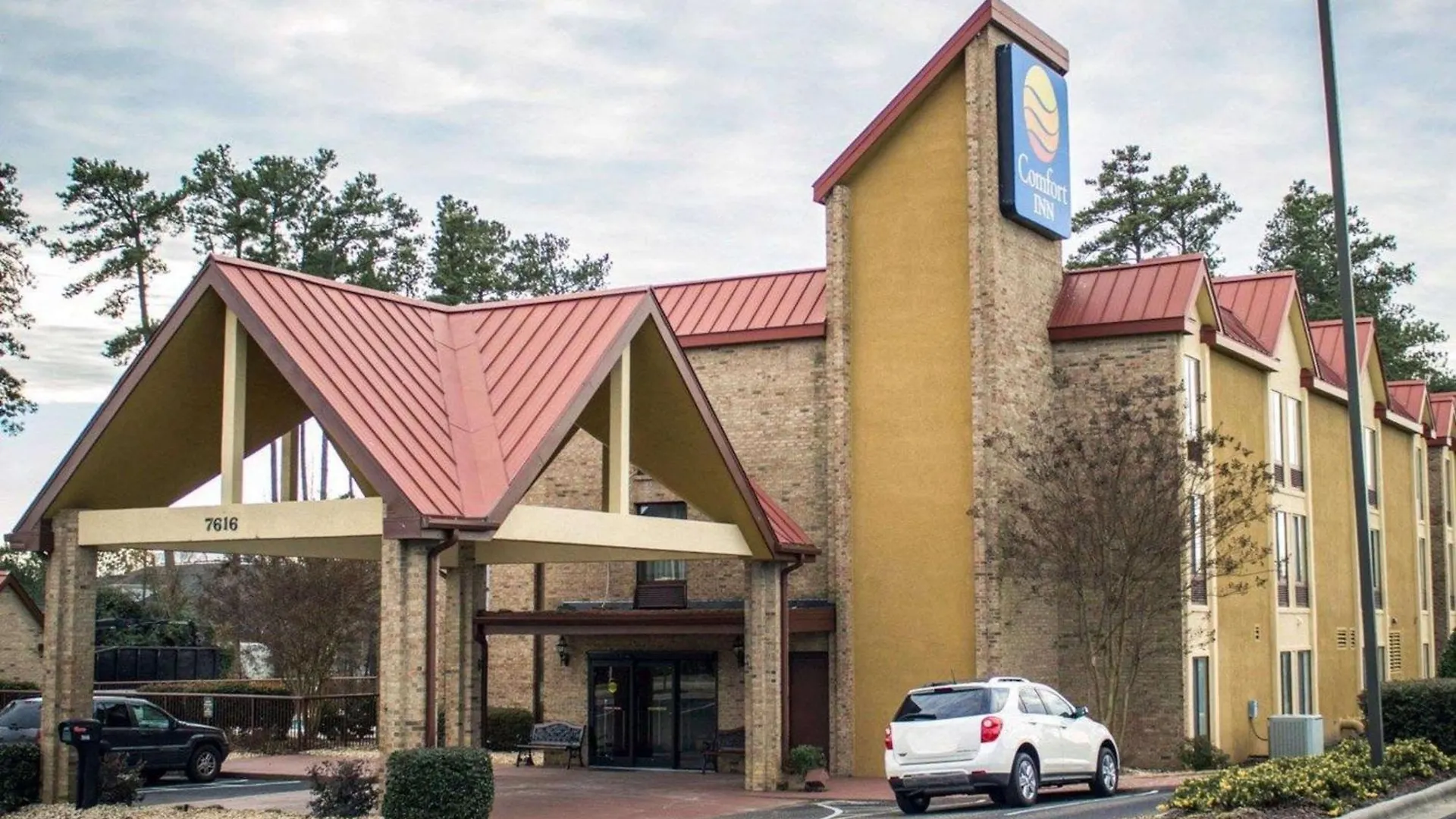
Research Triangle - anchored by Raleigh, Durham, and Chapel Hill - is one of the fastest-growing metro areas in the American Southeast, drawing tech professionals, university visitors, medical travelers, and weekend explorers in equal measure. With Raleigh-Durham International Airport (RDU) serving as the regional hub, getting in is straightforward, but choosing where to stay within the Triangle makes a real difference in your daily commute to campuses, convention centers, or corporate parks. This guide covers 8 hotels across the Triangle's outer towns - Apex, Wake Forest, Creedmoor, Chapel Hill, and Fuquay-Varina - so you can match your stay to your actual itinerary.
What It's Like Staying in Research Triangle
Research Triangle is not a single city - it's a sprawling metro region where your hotel's ZIP code determines your commute as much as your experience. Car travel is essentially mandatory outside of downtown Raleigh and Chapel Hill's compact cores, as public transit connectivity between the Triangle's outer suburbs is minimal. Travelers targeting Duke University, UNC-Chapel Hill, or North Carolina State University should factor in that campus visits, medical appointments, and tech-park meetings are spread across a roughly 30-mile corridor.
The region skews heavily toward business and academic visitors during the week, while weekends attract families visiting Research Triangle Park companies and RTP-adjacent attractions like Falls Lake State Recreation Area and the North Carolina Museum of Natural Sciences. Hotel demand peaks around university events - graduation weekends, Duke basketball home games, and ACC tournament dates - driving rates up sharply in Chapel Hill, Durham, and central Raleigh.
Pros:
- Raleigh-Durham International Airport connects to over 40 nonstop destinations, making the Triangle highly accessible from most U.S. cities
- Outer-suburb hotels in Apex, Wake Forest, and Fuquay-Varina offer significantly lower nightly rates than central Raleigh properties, often with free parking included
- The Triangle's restaurant and brewery scene - especially in Durham and Chapel Hill - is nationally ranked, providing strong food-and-drink options close to most hotel clusters
Cons:
- Without a car, mobility between sub-cities is extremely limited; rideshare costs from outer towns like Creedmoor or Fuquay-Varina to central Raleigh add up fast
- Traffic on I-40 and US-1 during weekday rush hours can push a 20-minute drive to nearly an hour
- Many budget hotels in outer suburbs are positioned near commercial strips with little walkable character - dining and entertainment require driving
Why Choose Standard Hotels in Research Triangle
Standard hotels - covering the 1-star to 3-star tier - dominate the Research Triangle's outer-suburb accommodation landscape, and for good reason: they align almost perfectly with the region's primary traveler profile. Business travelers on per-diem budgets, relocating families doing neighborhood scouting, and university visitors all benefit from the free parking, included breakfast, and functional room layouts that define properties like Comfort Inn, Holiday Inn Express, and Candlewood Suites in this market. Unlike downtown Raleigh boutique hotels that charge premium rates without parking, outer-suburb standard hotels routinely include both breakfast and parking at no extra cost - a combination that can represent savings of around $40 per night when stacked against urban alternatives.
Room sizes at these properties tend to be larger than comparable-priced urban hotels, and many offer extended-stay suites with kitchenettes - a practical advantage for contractors, traveling nurses, or graduate students visiting for multi-week stretches. The trade-off is almost always proximity: these hotels sit 18 to 48 km from central Raleigh's museums, arena events, and nightlife, making them best suited to travelers with a car and a specific suburban destination in mind rather than those seeking walkable urban access.
Pros:
- Free parking is standard across virtually all outer-suburb properties, eliminating a cost that downtown Raleigh hotels often charge at around $20 per night
- Complimentary breakfast - buffet, continental, or hot - is included at most properties, covering a real daily expense for multi-night stays
- Extended-stay suite options with kitchenettes and dishwashers are widely available, enabling cost-effective stays of a week or more
Cons:
- Proximity to major Triangle attractions is limited - most properties sit 20 to 48 km from central Raleigh landmarks, requiring consistent car use
- Evening atmosphere around suburban hotel corridors is typically low-energy; dining options near the property are often chains rather than local establishments
- Properties in the 1-to-2-star tier offer limited on-site amenities beyond a fitness room and pool - travelers seeking a bar, restaurant, or concierge will need to look elsewhere
Practical Booking & Area Strategy for Research Triangle
The Triangle's hotel market breaks into two clear positioning strategies: stay central in Chapel Hill or Raleigh proper for walkable access to UNC, downtown dining, and museum attractions, or base yourself in an outer suburb like Apex, Wake Forest, or Fuquay-Varina for lower rates and direct highway access to Research Triangle Park and corporate campuses along US-1 and I-540. Apex is particularly well-positioned - roughly 27 km from RDU, with direct highway routes to both RTP and downtown Raleigh, making it the most versatile outer-suburb base for mixed-itinerary travelers.
Wake Forest, located north of Raleigh off Route 1, suits travelers targeting Falls Lake State Recreation Area, the Southeastern Baptist Theological Seminary, or northern RTP campuses. Creedmoor sits even further north and makes sense only for travelers specifically visiting Butner Federal Medical Center or Duke Forest areas. Book at least 6 weeks ahead for any stay overlapping with ACC athletic events, Duke commencement (mid-May), or UNC graduation weekend - these windows see occupancy rates climb sharply across the entire metro. Falls Lake, Umstead State Park, and Jordan Lake State Recreation Area are all within 30 minutes of most Triangle hotels, making nature-oriented day trips a realistic add-on to any business-focused itinerary.
Best Value Stays
These properties offer the strongest combination of included amenities, free parking, and accessible highway positioning for budget-conscious travelers across the Triangle's outer suburbs.
-
1. Comfort Inn & Suites Fuquay Varina
Show on map


Just a few rooms left at the best rate!
fromUS$ 105
-
2. Quality Inn & Suites Creedmoor - Butner
Show on map


Just a few rooms left at the best rate!
fromUS$ 86
-
3. Quality Inn & Suites Apex - Holly Springs Nc
Show on map


Just a few rooms left at the best rate!
fromUS$ 109
-
4. Woodspring Suites Raleigh Apex
Show on map


Hurry – almost gone at this price!
fromUS$ 65
Best Mid-Range & Premium Stays
These properties offer elevated amenities, stronger locations relative to key Triangle destinations, or standout features - including pools, on-site restaurants, and branded service standards - that justify a higher nightly investment.
-
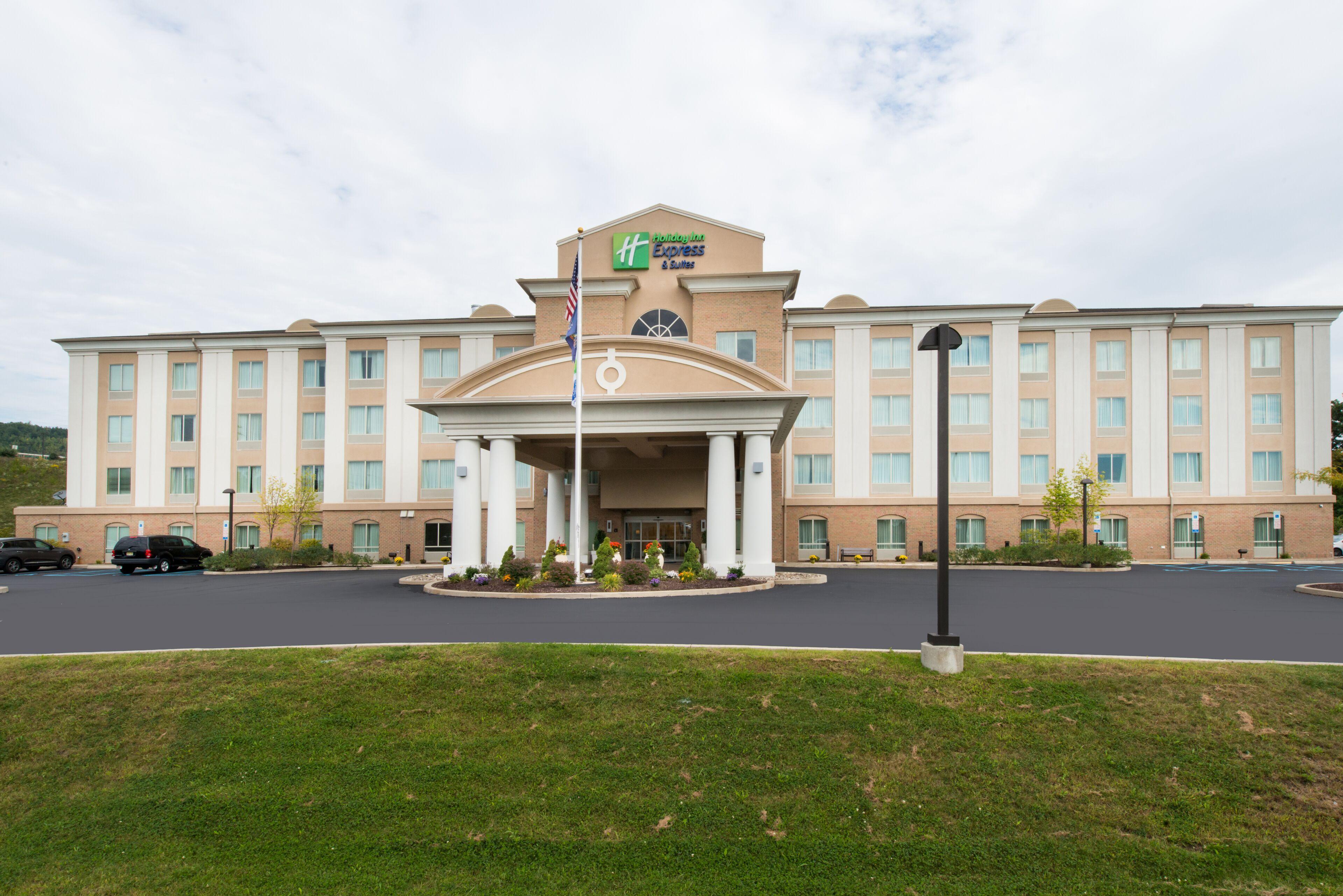
5. Holiday Inn Express Apex/Raleigh
Show on map


Hurry – almost gone at this price!
fromUS$ 117
-
6. Clarion Pointe Wake Forest - Raleigh North
Show on map


Hurry – almost gone at this price!
fromUS$ 70
-
7. Candlewood Suites Wake Forest-Raleigh Area By Ihg
Show on map


Rooms filling fast – secure the best rate!
fromUS$ 119
-
8. Ac Hotel By Marriott Chapel Hill Downtown
Show on map


Rooms filling fast – secure the best rate!
fromUS$ 215
Smart Travel & Timing Advice for Research Triangle
The Research Triangle has two distinct demand spikes: spring graduation season (late April through mid-May) and fall semester start (late August), both of which drive occupancy across Chapel Hill, Durham, and Raleigh to near-maximum. During these windows, outer-suburb hotels in Apex and Wake Forest fill faster than usual as travelers unable to secure central rooms move outward - meaning that even budget properties in Fuquay-Varina or Creedmoor can run at capacity during a Duke or UNC home football game weekend. Book at least 6 weeks in advance for any stay overlapping with ACC athletic events or university milestones.
January through early March represents the Triangle's softest demand period, with nightly rates at many outer-suburb properties dropping noticeably - this window suits travelers with flexibility who don't need fall foliage or summer recreation. A 2-night minimum is rarely worth extending for pure business visits to RTP campuses, but travelers combining a corporate visit with a day at Umstead State Park, a Duke basketball game, or the North Carolina Museum of Natural Sciences in downtown Raleigh will find that 3 nights provides the best balance of cost and experience. Last-minute bookings in the Triangle outside of event weekends are generally viable through midweek, but Friday-Saturday availability tightens considerably, especially in Apex and Wake Forest where hotel supply is thinner than in central Raleigh.